Quran
Mafia Queens of MumbaiIn the violent and treacherous world of the Mumbai underworld, the Quran emerges as a powerful counter-symbol, an object of peace and binding oath in a realm defined by bloodshed and betrayal. Its most significant appearance occurs during a historic peace pact, where it is used not as a text of doctrine but as a physical instrument of reconciliation, transforming a tense gathering of rival gangsters into a sacred ceremony of non-aggression. The book's presence in this narrative serves as a stark contrast to the daggers, pistols, and AK-47s that otherwise populate the story, offering a rare moment of hope and harmony in a landscape of constant conflict.
The Peace Pact at Baitul Suroor
The Quran's central role unfolds at a meeting at Haji Mastan's house, a gathering that would become known as the historic peace pact in the history of the Mumbai underworld. The atmosphere was tense, with Dawood Ibrahim and his brother Sabir Kaskar present, along with their rivals. When Sabir's behaviour threatened to derail the proceedings, Dawood caught hold of him and asked him to sit, a sign of the fragile control being exercised. Mastan, relieved that Jenabai had managed to control the situation, proposed a resolution: 'For the sake of Allah and Islam, let us resolve our differences. Let us take an oath that we shall refrain from targeting each other in future.' This call to divine authority set the stage for the Quran's entrance.
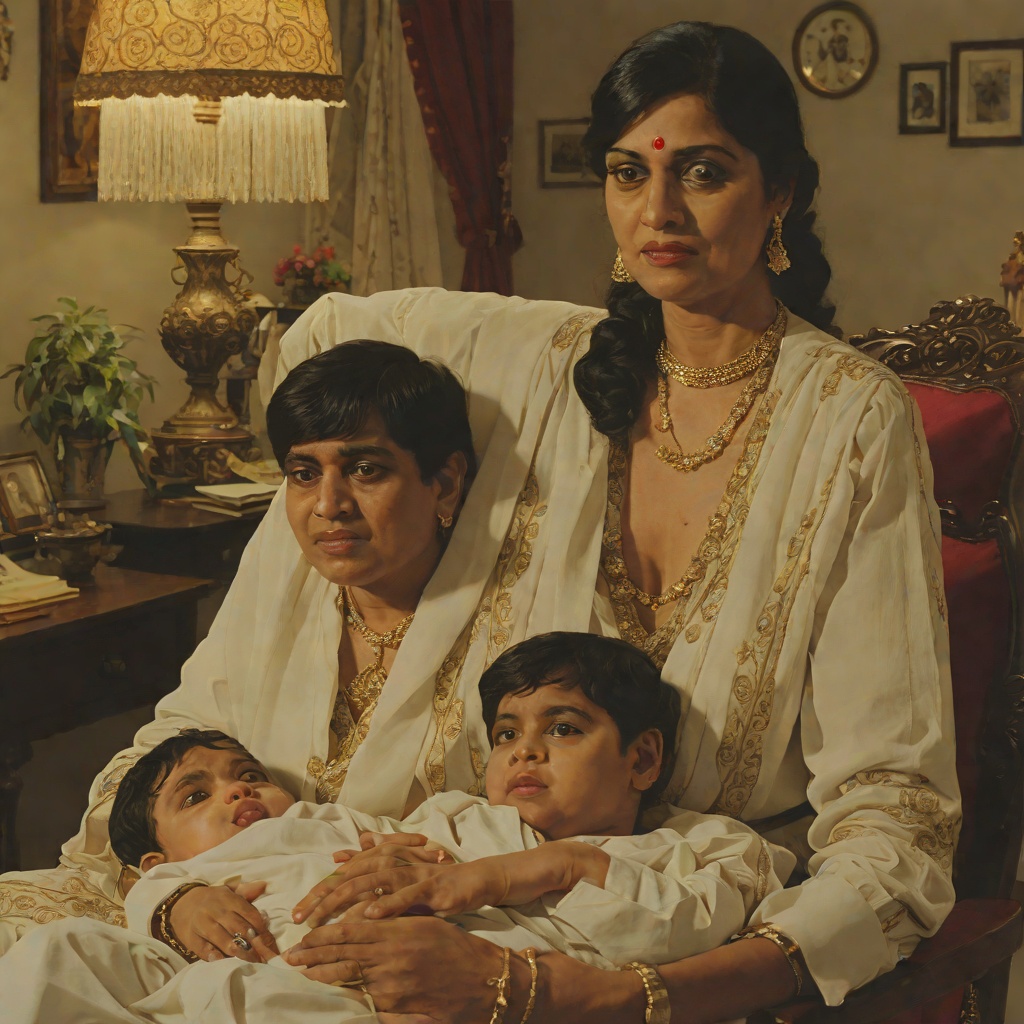
Jenabai got up almost immediately and covered her head with her white dupatta as if in prayer and went into the next room. The visitors sat tensely, wondering where she had gone. Moments later, she came out with a Koran which was covered in a dark green cloth. She placed it carefully on the side table and came and sat with the guests. One of the visitors asked his boys to place the Koran on the centre table. The careful, deliberate handling of the book—its dark green covering, its placement on a side table before being moved to the centre—transformed it into a sacred object of ceremony, its very presence commanding a shift in the room's energy.
The Oath on the Holy Book
Mastan then issued the directive: 'Let us take an oath on the Koran.' Jenabai encouraged Dawood and Sabir to place their hands on the holy book; once they did, others slowly followed. Putting their hands out, the men softly muttered that they would abstain from killing their brothers and live peacefully and in total harmony. The physical act of placing hands on the Quran served as a powerful ritual, a public and sacred commitment that transcended the mere words of a verbal agreement. In a world where promises were routinely broken and loyalties shifted with the wind, the oath on the Quran was meant to be an unbreakable bond, invoking the highest moral authority the men recognized.
This moment was the culmination of Jenabai's efforts. While Mastan is credited with engineering the pact, the narrative is clear that its chief architect, undisputably, was Jenabai. Her role was not passive; she was the one who retrieved the Quran, who encouraged the men to touch it, and whose presence and actions sanctified the proceedings. The book was the instrument through which she, a woman in a male-dominated world of violence, was able to exert a profound moral authority, brokering a peace that the men themselves could not achieve.
A Symbol of Peace in a Violent World
The Quran's appearance at the peace pact is a striking anomaly in the book's broader narrative of violence. The same world that produced the Suleman Usman Bakery firing, where nine Muslims were killed by police fire, and the brutal murder of Sapna, who suffered over twenty-two stab wounds, is here shown to be capable of a different kind of resolution. The holy book represents an alternative to the cycle of revenge and killing, a possibility of harmony that is all too rare. Its use in this context highlights the deep religious faith that coexisted with the criminality of the underworld, a faith that could be summoned to create moments of peace, however fleeting.
The contrast is stark. The Quran is a symbol of life, peace, and brotherhood, while the world it briefly pacifies is one of death, violence, and betrayal. The pact it sealed, however, was not permanent. The peace it represented was a fragile one, and the narrative makes clear that the underlying tensions and rivalries of the Mumbai underworld would continue to erupt in violence long after the oath was taken. Yet, for a single moment, the Quran's presence transformed a gathering of enemies into a congregation of brothers, a testament to the power of faith even in the most profane of settings.